
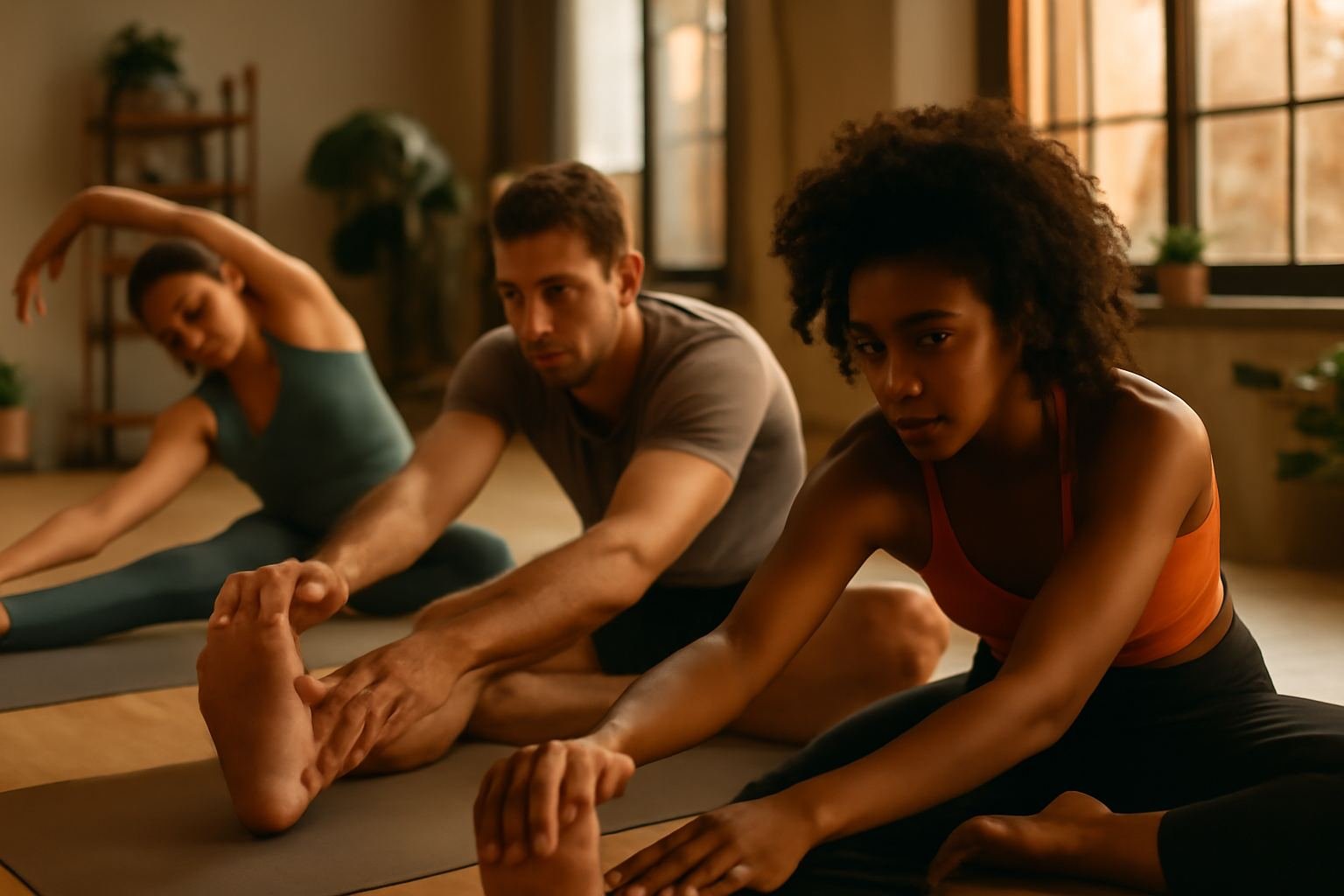
In the quest for better health and fitness, a stretching routine for flexibility is often overlooked. Flexibility is essential not just for athletes but for anyone looking to improve their overall physical performance and prevent injuries. In 2026, with the rise of technology and innovative fitness methods, incorporating flexibility training into your routine has never been easier.
Flexibility is the ability of your muscles and joints to move through their full range of motion. Enhanced flexibility can lead to improved athletic performance, better posture, and reduced risk of injuries. Moreover, it can alleviate muscle tension and stress, which is especially important in today's fast-paced world.
To create an effective stretching routine for flexibility, consider the following tips:
- Warm up before stretching: A good warm-up increases blood flow to your muscles and prepares your body for stretching. This can include light cardio or dynamic stretches.
- Focus on major muscle groups: Target areas that are commonly tight, such as the hamstrings, hip flexors, shoulders, and back.
- Hold stretches for at least 15-30 seconds: This duration allows your muscles to relax and lengthen effectively.
- Breathe deeply: Inhale and exhale slowly during each stretch to enhance relaxation and improve the effectiveness of your routine.
- Incorporate both static and dynamic stretches: Static stretches are held for a period, while dynamic stretches involve movement, helping to improve flexibility and mobility.
Here's a simple stretching routine you can start today:
- Hamstring Stretch: Sit on the floor with one leg extended and the other leg bent. Reach toward your toes on the extended leg, holding for 15-30 seconds. Switch sides.
- Hip Flexor Stretch: Kneel on one knee with the other foot in front, bent at 90 degrees. Push your hips forward while keeping your back straight. Hold for 15-30 seconds, then switch sides.
- Shoulder Stretch: Bring one arm across your body and use the opposite arm to gently pull it closer. Hold for 15-30 seconds and switch arms.
- Cat-Cow Stretch: Get on all fours and alternate between arching your back towards the ceiling (cat) and dipping it towards the floor (cow). Repeat for 30 seconds.
- Child’s Pose: Kneel on the floor, sit back on your heels, and stretch your arms forward on the ground. Hold for 30 seconds to relax your back and hips.
Incorporating Indian foods into your post-stretch routine can enhance recovery and flexibility. Consider having a bowl of dal (lentils) with brown rice. Lentils are packed with protein and essential nutrients that aid in muscle repair and recovery, complementing your flexibility training.
Safety Note: Always listen to your body during stretching. If you feel pain, ease off the stretch. Consult a fitness professional if you're unsure about any movements or if you have pre-existing conditions.
Frequently Asked Questions
What is the best time to do stretching exercises?
Stretching can be done any time, but it’s most effective after a workout when your muscles are warm.
Can stretching improve my athletic performance?
Yes, regular stretching can enhance flexibility, which may lead to improved performance in various sports.
How often should I stretch to see results?
Aim to stretch at least two to three times a week for noticeable improvements in flexibility.
For personalized guidance, consider using the F4Fit AI coach, which can tailor a stretching routine for your specific needs and goals.


