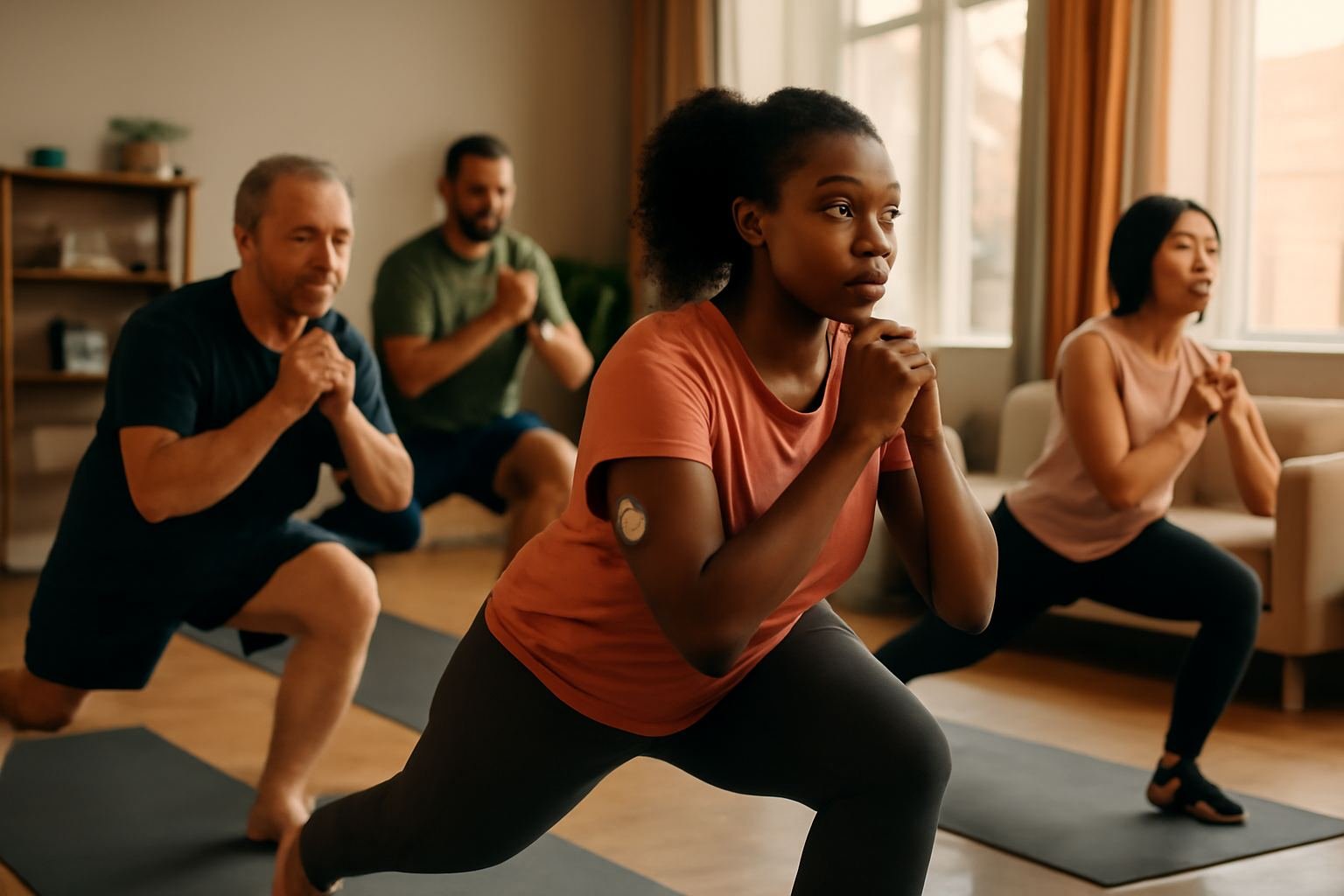
A home gym is one of the best investments you can make in your health. It eliminates commute time, gym fees, and the intimidation factor of public gyms. Best of all, you can build an effective home gym on almost any budget. This guide shows you how.
Why Build a Home Gym
A home gym offers advantages that commercial gyms cannot match:
Convenience: No commute, no waiting for equipment, no operating hours. You can work out whenever you want.
Privacy: Many people feel self-conscious at the gym. A home gym eliminates this barrier entirely.
Cost savings: While the initial investment may seem significant, a home gym pays for itself within months compared to gym memberships.
Customization: You choose the equipment that matches your goals and preferences.
Hygiene: You control the cleanliness of your equipment, an important consideration for many.
Budget Level 1: Under $100
You can build a surprisingly effective home gym for under $100. Focus on versatile, portable equipment:
- Resistance bands set ($20 to $40): Provides full-body resistance training. Includes handles, ankle straps, and multiple tension levels.
- Jump rope ($10 to $15): Excellent cardio tool that burns calories quickly.
- Yoga mat ($15 to $25): For floor exercises, stretching, and core work.
- Pull-up bar ($25 to $40): Doorway bar that enables upper-body pulling exercises.
- Foam roller ($15 to $25): For recovery and mobility work.
With this setup, you can perform hundreds of exercises. Bodyweight movements, banded resistance, and cardio provide a complete fitness program. This is perfect for beginners or those with limited space.
Budget Level 2: $200 to $500
This budget unlocks significantly more training options:
- Adjustable dumbbells ($150 to $300): Replace an entire rack of dumbbells. Brands like Bowflex SelectTech or PowerBlock adjust from 5 to 50+ pounds.
- Kettlebell ($30 to $60): Versatile for swings, squats, presses, and carries. Start with 16 kg for men, 12 kg for women.
- Stability ball ($20 to $30): For core work, stretching, and as a bench substitute.
- Resistance bands ($20 to $40): Still valuable at this level.
- Yoga mat ($15 to $25): For floor work.
- Pull-up bar ($25 to $40): For upper-body pulling.
This setup allows progressive overload with adjustable weights, making it suitable for serious strength training. You can perform virtually any dumbbell exercise and build significant strength and muscle.
Budget Level 3: $500 to $1500
At this level, you can build a gym that rivals commercial facilities:
- Olympic barbell and weight plates ($300 to $600): The foundation of serious strength training. A standard Olympic bar weighs 45 pounds; add plates as needed.
- Power rack ($300 to $600): Enables squats, bench press, pull-ups, and other compound movements safely. Look for one with safety bars.
- Adjustable bench ($100 to $200): For bench press, rows, and other exercises. Choose one that adjusts from decline to incline to vertical.
- Adjustable dumbbells ($150 to $300): For accessory exercises.
- Resistance bands ($20 to $40): For warm-ups and mobility.
- Foam roller and mobility tools ($30 to $50): For recovery.
This setup allows you to perform every major barbell exercise—squats, deadlifts, bench press, overhead press, rows, and pull-ups. It is sufficient for advanced strength training and powerlifting.
Budget Level 4: $1500 to $5000
For those who want a premium home gym:
- Power rack with cable attachment ($500 to $1000): Adds cable exercises for greater variety.
- Olympic barbell and bumper plates ($400 to $800): Bumper plates are essential for deadlifts and Olympic lifts.
- Adjustable bench ($150 to $300): Higher quality with more adjustments.
- Pair of adjustable dumbbells ($300 to $500): Heavy-duty options.
- Cardio equipment ($500 to $2000): Choose a rowing machine, exercise bike, or treadmill based on preference.
- Kettlebells in multiple weights ($100 to $200): For varied training.
- Storage and organization ($50 to $150): Weight trees, shelving, and hooks keep your space organized.
Essential Considerations
Space
Assess your available space before purchasing. A minimum of 6 by 8 feet is needed for basic equipment; 8 by 10 feet or more for a full setup. Ensure ceiling height accommodates overhead movements—8 feet minimum, 9 feet preferred.
Flooring
Protect your floor and equipment with proper flooring. Interlocking rubber mats ($2 to $5 per square foot) are affordable and effective. For heavy lifting, a dedicated platform ($100 to $200) protects against dropped weights.
Ventilation and Temperature
Exercise generates heat and sweat. Ensure adequate ventilation with a fan or open window. Maintain a comfortable temperature—too hot impairs performance, too cold increases injury risk.
Lighting
Good lighting improves motivation and safety. Natural light is ideal; supplement with bright LED lighting. Avoid dim lighting that makes it hard to see your form.
Mirrors
A mirror helps you check form and technique. A full-length mirror ($30 to $100) is sufficient for most home gyms.
Sound System
Music improves workout intensity and enjoyment. A Bluetooth speaker ($30 to $100) provides quality sound without headphones.
Maintenance
Maintain your equipment to ensure longevity and safety:
- Inspect equipment regularly for wear and damage
- Lubricate barbell sleeves and moving parts periodically
- Clean equipment after use to prevent rust and bacteria
- Store weights properly to prevent damage and injury
- Replace worn resistance bands before they snap
Conclusion
Building a home gym is an investment in your health that pays dividends for years. Start with what you can afford and expand over time. Even a $100 setup provides an effective workout. The most important step is the first one—begin building your home gym today, and enjoy the convenience and results that come with training on your own terms.