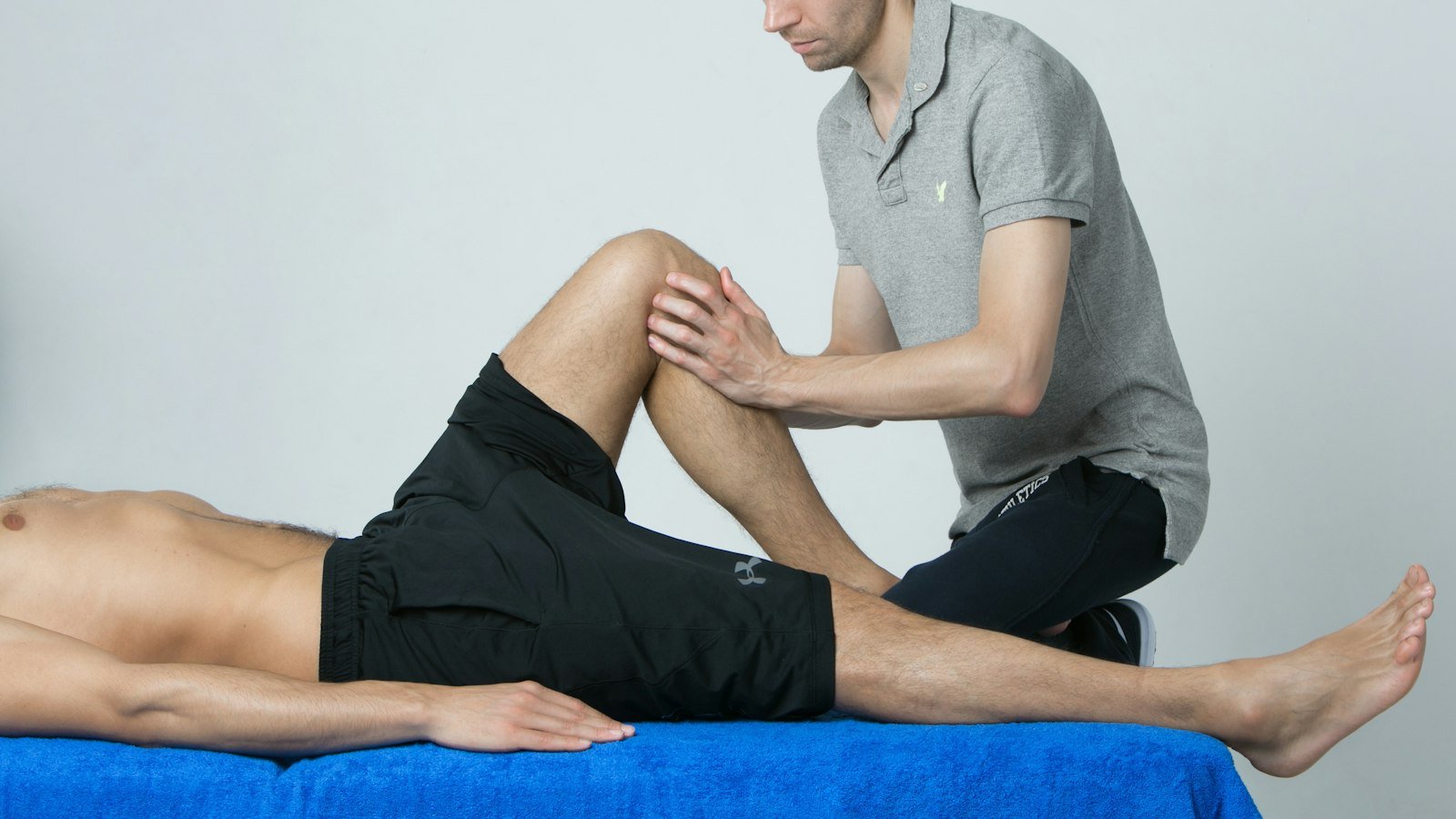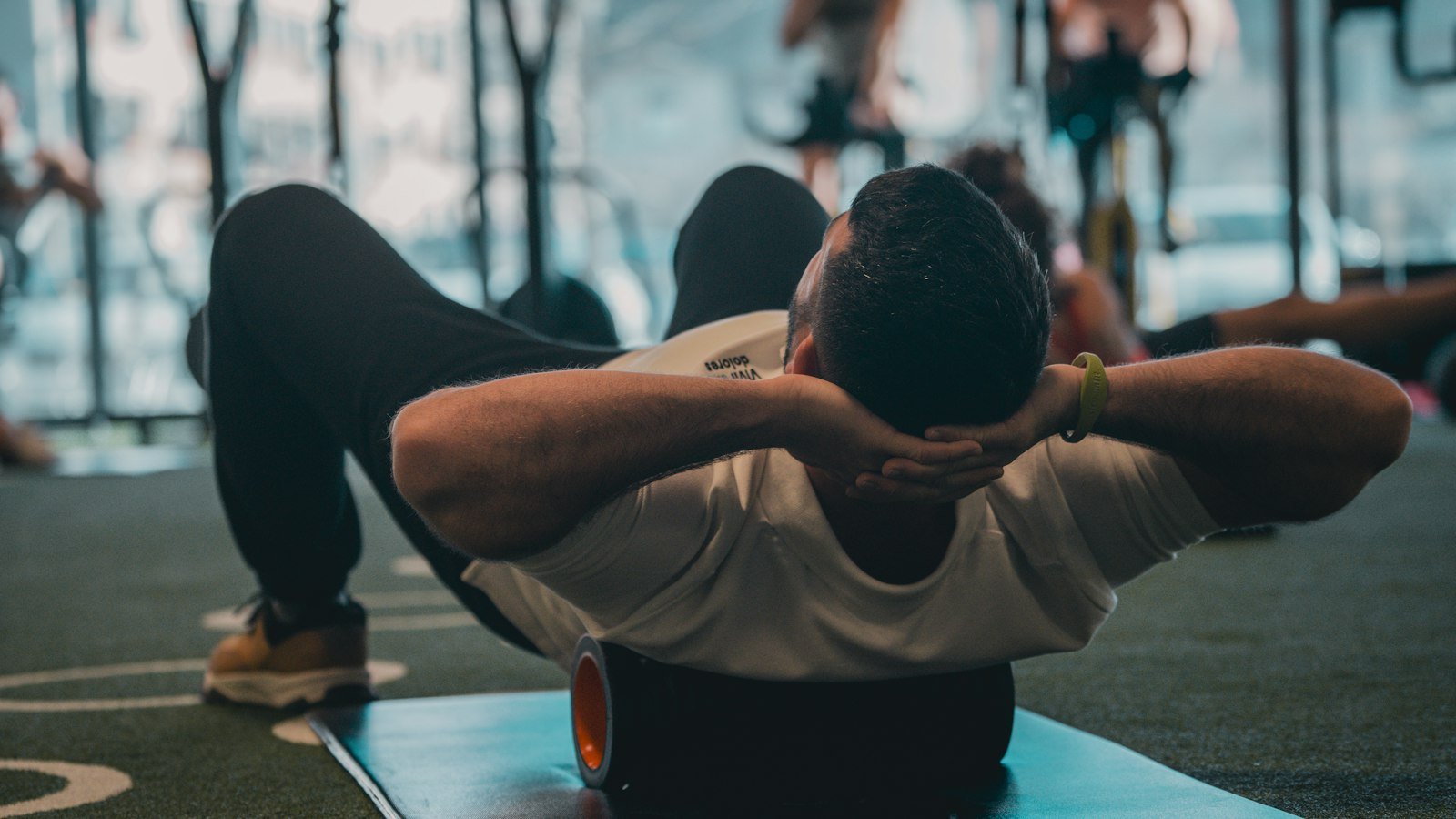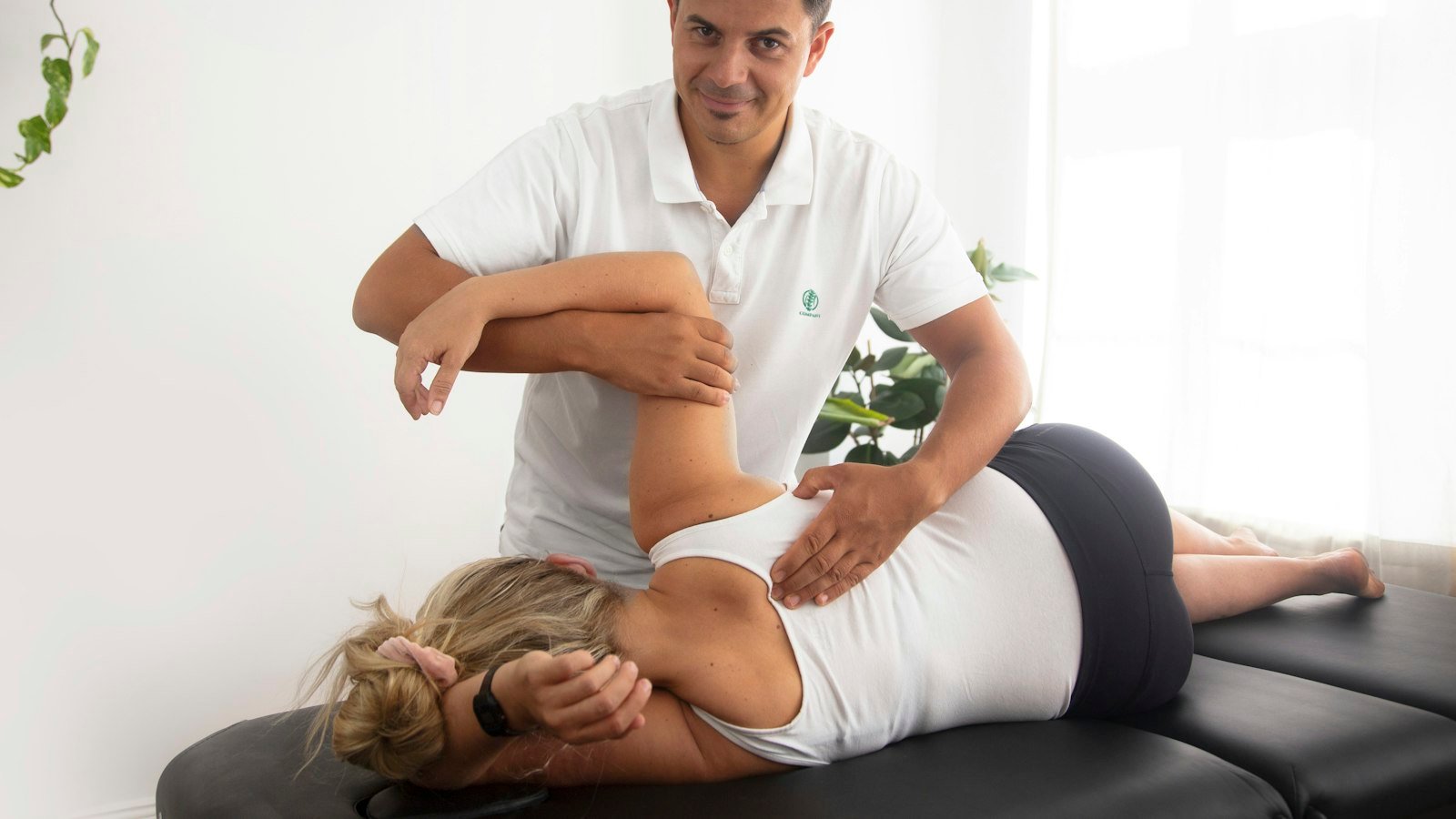
Sleep is a crucial component of muscle recovery that is often overlooked in fitness routines. While exercise breaks down muscle fibers, sleep is the time when your body repairs and builds those muscles back stronger. Understanding the relationship between sleep and muscle recovery can help you maximize your workout results and enhance your overall well-being.
Muscle recovery is the process your body goes through after physical exertion, allowing it to repair damaged tissues, replenish energy stores, and adapt to the demands of training. Sleep plays a vital role in this process, as it is when many of the body's restorative functions occur. Not only does sleep help with muscle recovery, but it also affects your performance, mood, and motivation.
The connection between sleep and muscle recovery can be attributed to several factors:
- Hormonal Regulation: During deep sleep, the body releases growth hormone, which aids in tissue growth and muscle repair.
- Protein Synthesis: Sleep is essential for protein synthesis, the process where cells build proteins to repair and grow muscle tissues.
- Inflammation Reduction: Adequate sleep helps reduce inflammation, which can enhance recovery and decrease muscle soreness.
- Cognitive Function: Sleep improves cognitive function, allowing you to make better training decisions and stay motivated.
To ensure you are getting the right amount of sleep for muscle recovery, aim for 7-9 hours of quality sleep per night. Here are some practical tips to improve your sleep:
- Establish a Sleep Routine: Go to bed and wake up at the same time every day to regulate your body’s internal clock.
- Create a Relaxing Environment: Make your bedroom a sleep-friendly space by keeping it cool, dark, and quiet.
- Limit Screen Time: Reduce exposure to screens at least an hour before bed to help your body produce melatonin, the sleep hormone.
- Watch Your Diet: Avoid heavy meals, caffeine, and alcohol close to bedtime, as they can disrupt your sleep cycle.
Incorporating a simple everyday food like bananas into your evening routine can also support better sleep. Bananas are rich in magnesium and potassium, which help relax muscles and nerves, promoting a restful night.
Today, you can start improving your muscle recovery by focusing on your sleep habits. Take 10 minutes to create a calming bedtime ritual, such as reading a book or practicing deep breathing exercises. This will signal to your body that it’s time to wind down and prepare for restorative sleep.
Ultimately, optimizing sleep can lead to better muscle recovery, enhanced performance, and greater fitness results. Remember, the F4Fit AI coach can help you turn these insights into a personalized plan tailored to your specific needs and goals.
Frequently Asked Questions
How much sleep do I need for optimal recovery?
Most adults need between 7-9 hours of quality sleep per night for optimal muscle recovery.
Does napping help with muscle recovery?
Yes, short naps can provide additional rest and recovery, especially if you are not getting enough sleep at night.
What if I have trouble sleeping?
If you struggle with sleep, consider establishing a bedtime routine, reducing screen time, and creating a relaxing sleep environment.