Protein intake is a crucial aspect of nutrition that often gets overlooked in everyday diets. Understanding how much protein you should consume each day can help you achieve your fitness goals, whether you're looking to build muscle, lose weight, or simply maintain a healthy lifestyle.
Protein is one of the three macronutrients, alongside carbohydrates and fats, that are essential for our bodies to function properly. It plays a vital role in building and repairing tissues, making enzymes and hormones, and supporting overall health. But how much protein do you really need each day?
Daily protein intake can vary significantly based on several factors, including age, gender, physical activity level, and overall health goals. The general recommendation is that adults should aim for a daily protein intake of about 0.8 grams per kilogram of body weight. However, this number can increase for those who are active or looking to build muscle.
Factors Influencing Protein Needs
- Activity Level: Those who engage in regular physical activity, especially strength training, may require more protein to support muscle repair and growth. Athletes often benefit from a higher intake, ranging from 1.2 to 2.0 grams per kilogram of body weight.
- Age: As we age, our bodies may require more protein to maintain muscle mass and strength. Older adults might need around 1.0 to 1.2 grams per kilogram.
- Health Goals: If you're trying to lose weight, a higher protein intake can help with satiety and preserve lean muscle mass during calorie restriction. On the other hand, if you are recovering from an injury, increased protein can support healing.
- Dietary Preferences: Those following vegetarian or vegan diets may need to be more mindful of their protein sources, ensuring they consume a variety of plant-based proteins to meet their needs.
How to Calculate Your Protein Needs
To determine your daily protein intake, follow these simple steps:
- Find Your Weight in Kilograms: If you're used to pounds, divide your weight by 2.2 to convert to kilograms.
- Multiply by the Recommended Amount: Use the guideline of 0.8 grams of protein per kilogram for general health. For active individuals, use 1.2 to 2.0 grams based on your activity level and goals.
For example, if you weigh 70 kilograms and are moderately active, you might aim for around 1.2 grams of protein per kilogram:
70 kg x 1.2 g/kg = 84 grams of protein per day.
Simple Everyday Food Example
Incorporating protein into your daily diet can be easy and delicious. For example, consider a meal that includes:
- Grilled Chicken Breast: A 100-gram serving provides about 31 grams of protein.
- Quinoa: One cup of cooked quinoa offers about 8 grams of protein.
- Greek Yogurt: One serving (200 grams) can add an additional 20 grams of protein.
Combining these foods can help you reach your protein goals effortlessly while enjoying a variety of flavors.
Practical Steps to Increase Protein Intake Today
If you're looking to boost your protein intake, consider these practical tips:
- Include a Source of Protein in Every Meal: Aim for at least one protein-rich food at breakfast, lunch, and dinner.
- Snack on High-Protein Foods: Choose snacks like nuts, seeds, or yogurt instead of chips or candy.
- Experiment with Protein Supplements: If you're struggling to meet your needs through food alone, protein powders or bars can be a convenient option.
- Plan Your Meals: Meal prep can help ensure you have protein-rich options readily available throughout the week.
With the help of the F4Fit AI coach, you can turn this information into a personalized plan that fits your unique needs and goals.
Frequently Asked Questions
What is the best source of protein for vegetarians?
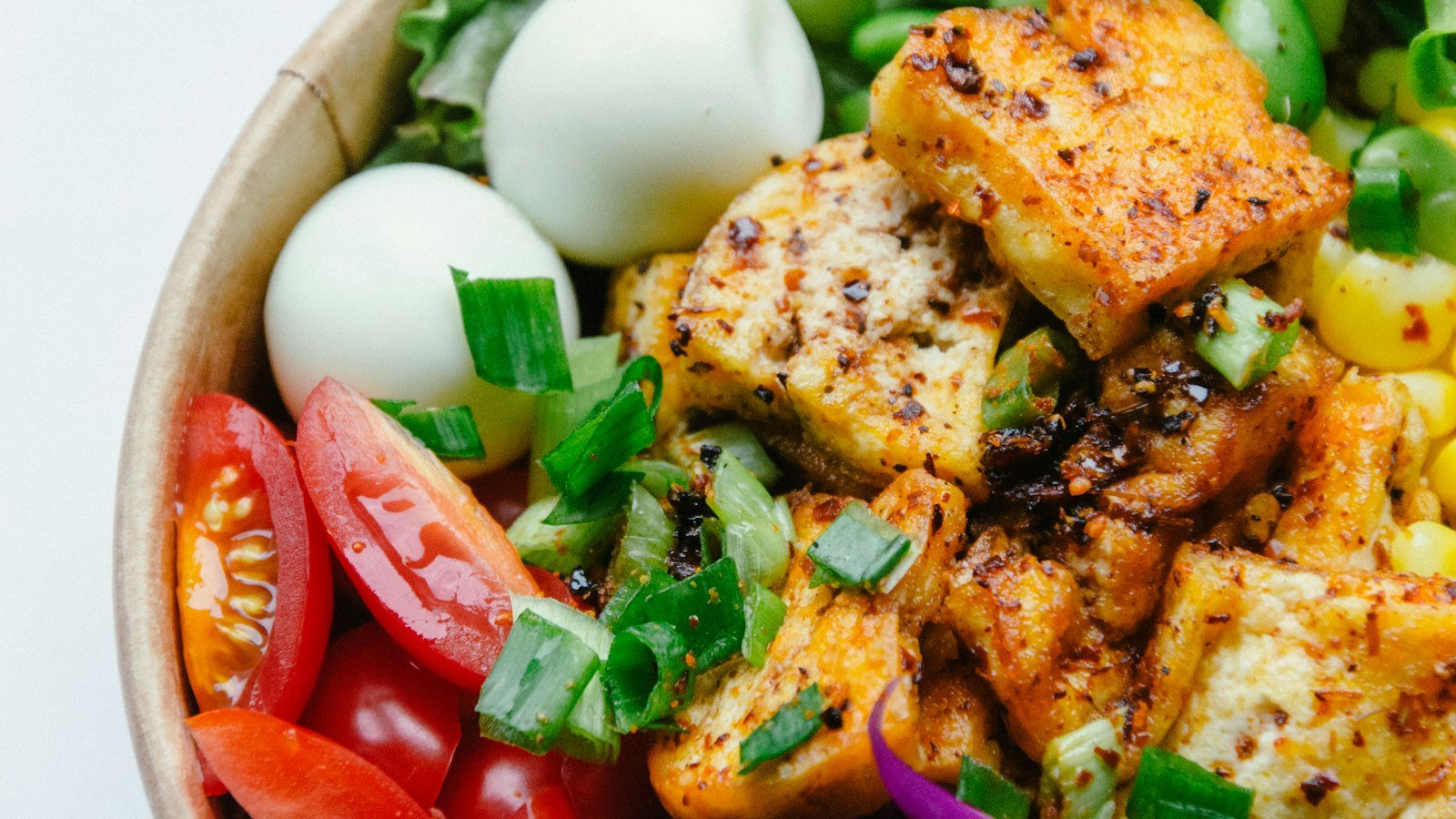
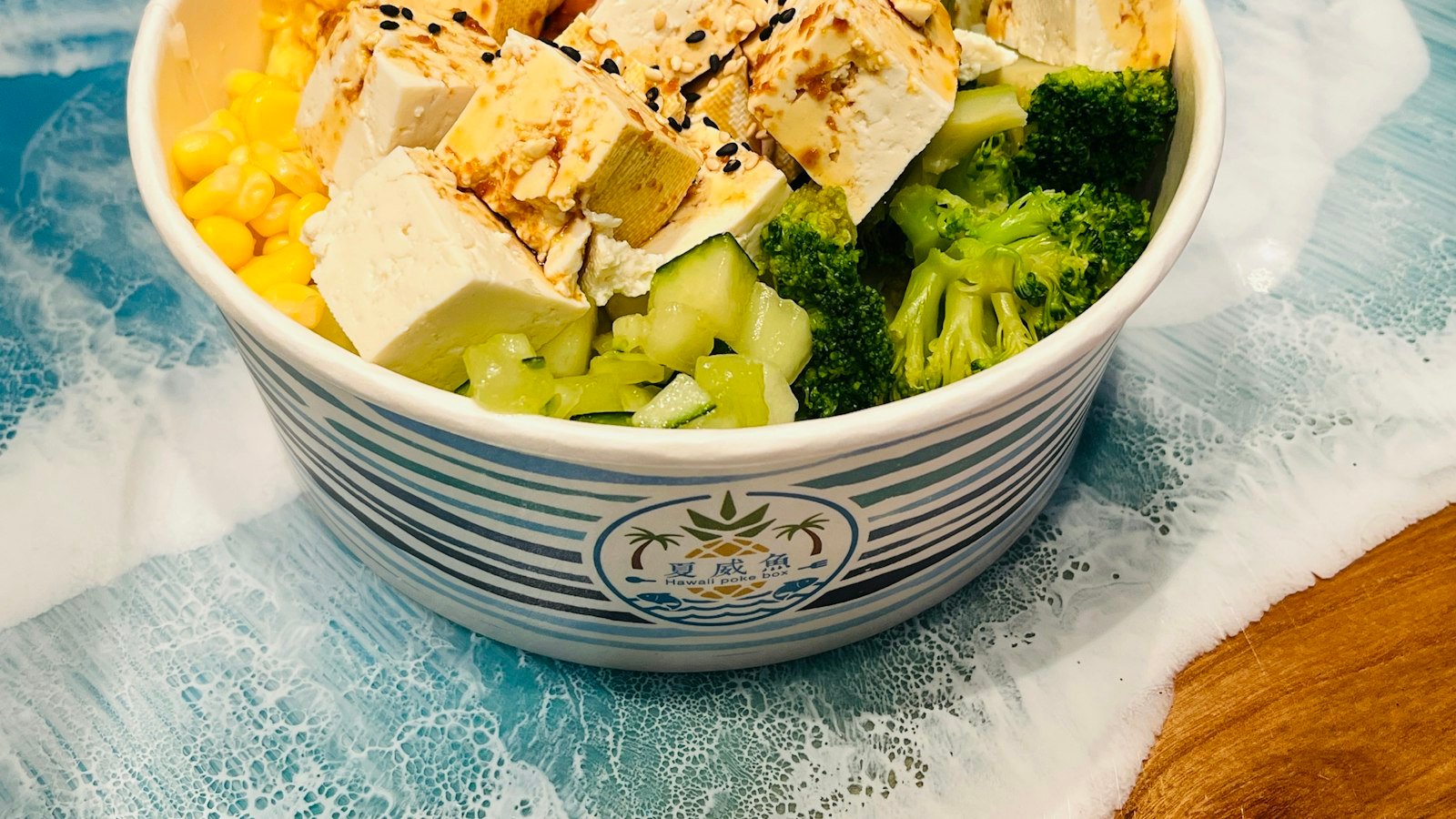
Plant-based proteins like lentils, chickpeas, quinoa, and tofu are excellent options.
Can I consume too much protein?
Yes, excessive protein intake can lead to health issues; it's essential to balance it with other nutrients.
How can I increase my protein intake without gaining weight?
Focus on lean protein sources and incorporate them into meals and snacks while maintaining a balanced diet.