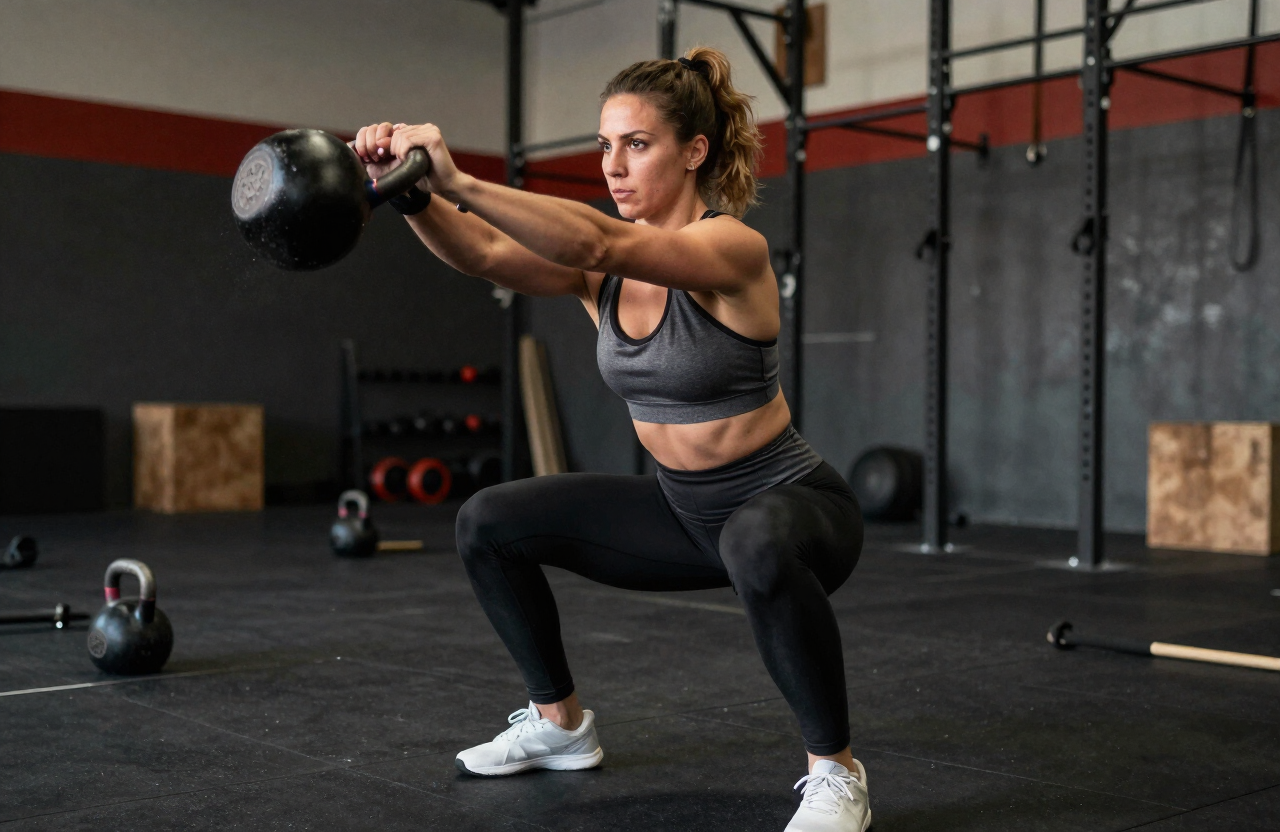
Bodyweight training is the most accessible form of exercise ever devised. It requires no equipment, no gym membership, and no special space. Yet it can build remarkable strength, muscle, and fitness. From ancient warriors to modern athletes, bodyweight training has built some of the most impressive physiques in history. This guide shows you how to harness its power.
The Power of Bodyweight Training
Bodyweight training, also called calisthenics, uses your body weight as resistance. While it may seem limited compared to weights, it offers unique advantages:
Accessibility
Bodyweight exercises can be performed anywhere—at home, in a hotel room, at a park, or even in a small apartment. This eliminates the most common barriers to exercise: cost, location, and equipment.
Functional Strength
Bodyweight movements build functional strength that translates to real-world activities. Push-ups mimic pushing objects; squats mimic lifting; pull-ups mimic climbing. This functional strength improves daily life and athletic performance.
Joint Health
Bodyweight exercises are generally gentler on joints than heavy weightlifting. They use natural movement patterns and allow your body to move through full ranges of motion, promoting joint health and mobility.
Scalability
Bodyweight exercises can be modified for any fitness level. A push-up can be made easier by elevating the hands or harder by elevating the feet. This scalability makes bodyweight training suitable for beginners and advanced athletes alike.
Core Integration
Bodyweight exercises engage the core more than isolated weight exercises. Maintaining proper form during push-ups, squats, and pull-ups requires significant core strength and stability.
Fundamental Bodyweight Exercises
Master these fundamental movements to build a complete strength foundation:
Push-Ups
The king of upper-body pushing exercises. Works chest, shoulders, triceps, and core.
Proper form: Hands slightly wider than shoulders, body in a straight line from head to heels, lower until chest nearly touches the floor, push back up.
Progressions: Wall push-ups → knee push-ups → standard push-ups → diamond push-ups → decline push-ups → one-arm push-ups.
Pull-Ups
The ultimate test of upper-body pulling strength. Works back, biceps, and forearms.
Proper form: Hang from a bar with hands slightly wider than shoulders, pull until chin clears the bar, lower with control.
Progressions: Dead hangs → negative pull-ups → assisted pull-ups → standard pull-ups → wide grip → weighted pull-ups → one-arm pull-ups.
Squats
The foundation of lower-body strength. Works quads, glutes, hamstrings, and core.
Proper form: Feet shoulder-width apart, lower until thighs are parallel to floor (or deeper), keep chest up and knees tracking over toes.
Progressions: Assisted squats → bodyweight squats → jump squats → pistol squats (one-legged).
Lunges
Builds unilateral leg strength and balance. Works quads, glutes, and hamstrings.
Proper form: Step forward, lower until both knees are at 90 degrees, push back to start.
Progressions: Stationary lunges → walking lunges → reverse lunges → jump lunges → Bulgarian split squats.
Planks
Builds core strength and stability. Works entire core, shoulders, and glutes.
Proper form: Forearms on ground, body in straight line, hold for time.
Progressions: Knee plank → standard plank → side plank → plank with shoulder taps → plank to push-up.
Dips
Builds pushing strength for chest, shoulders, and triceps. Can be done on parallel bars, chairs, or a bench.
Proper form: Lower until shoulders are below elbows, push back up.
Progressions: Bench dips → assisted dips → standard dips → weighted dips.
Inverted Rows
Builds pulling strength for the back and biceps. Can be done under a table or on a low bar.
Proper form: Hang underneath a bar, pull chest to bar, lower with control.
Progressions: Bent knee → straight body → elevated feet → single-arm.
Building a Bodyweight Program
A complete bodyweight program addresses all major movement patterns. Here is an effective full-body routine:
Beginner Routine (3 days weekly)
- Push-ups: 3 sets of 8 to 12 reps
- Bodyweight squats: 3 sets of 15 to 20 reps
- Inverted rows or pull-up negatives: 3 sets of 8 to 10 reps
- Lunges: 3 sets of 10 per leg
- Plank: 3 sets of 30 to 60 seconds
- Glute bridges: 3 sets of 15 reps
Intermediate Routine (3 to 4 days weekly)
- Pull-ups: 3 sets of 5 to 10 reps
- Push-ups: 3 sets of 15 to 20 reps
- Pistol squat progressions: 3 sets of 5 to 8 per leg
- Dips: 3 sets of 8 to 12 reps
- Hanging leg raises: 3 sets of 8 to 12 reps
- Bulgarian split squats: 3 sets of 10 per leg
Advanced Routine (4 to 5 days weekly)
- Muscle-ups: 3 sets of 3 to 5 reps
- One-arm push-up progressions: 3 sets of 5 per arm
- Pistol squats: 3 sets of 8 per leg
- Handstand push-ups: 3 sets of 5 to 8 reps
- Front lever progressions: 3 sets of 10-second holds
- L-sits: 3 sets of 15 to 30 seconds
Progressive Overload Without Weights
Progressive overload is essential for continued progress. Without adding weight, how do you progress?
Increase reps: Add repetitions to each set.
Increase sets: Add sets to each exercise.
Decrease rest: Shorten rest periods between sets.
Increase difficulty: Progress to harder exercise variations.
Increase range of motion: Go deeper or slower.
Add pauses: Pause at the bottom of movements.
Add tempo: Slow eccentric (lowering) phases build strength.
Use unilateral variations: One-arm or one-leg versions increase intensity.
Bodyweight Cardio and Conditioning
Bodyweight training also builds cardiovascular fitness:
HIIT circuits: Combine exercises like burpees, mountain climbers, and jump squats in intervals (30 seconds work, 30 seconds rest) for 15 to 20 minutes.
Tabata: 20 seconds all-out, 10 seconds rest, repeated 8 times per exercise.
AMRAP (As Many Rounds As Possible): Complete as many rounds of a circuit as possible in a set time.
Common Mistakes
Mistake: Rushing progressions. Master each variation before advancing. Poor form on easier exercises leads to poor form on harder ones.
Mistake: Neglecting pulling movements. Push-ups are easy to do anywhere; pull-ups require equipment. Find a bar or use a door frame to balance pushing and pulling.
Mistake: Not tracking progress. Record reps, sets, and variations to ensure progressive overload.
Mistake: Ignoring core. Core strength is the foundation of all bodyweight skills. Train it consistently.
Mistake: Comparing to weight training. Bodyweight and weight training are different tools. Both build strength; neither is superior universally.
Equipment That Enhances Bodyweight Training
While bodyweight training requires no equipment, a few inexpensive items expand your options:
- Pull-up bar ($25 to $50): Essential for pulling movements
- Resistance bands ($20 to $40): For assistance and added resistance
- Parallettes ($30 to $60): For dips, L-sits, and handstand work
- Gymnastics rings ($30 to $50): The most versatile piece of equipment; enables rows, dips, pull-ups, and muscle-ups
Conclusion
Bodyweight training is a powerful, accessible, and effective way to build strength, muscle, and fitness. It requires no equipment, can be done anywhere, and scales from beginner to elite. Master the fundamental movements, apply progressive overload, and train consistently. Whether you're traveling, short on space, or simply prefer the freedom of equipment-free training, bodyweight exercises provide everything you need to build an impressive, functional, and capable body.