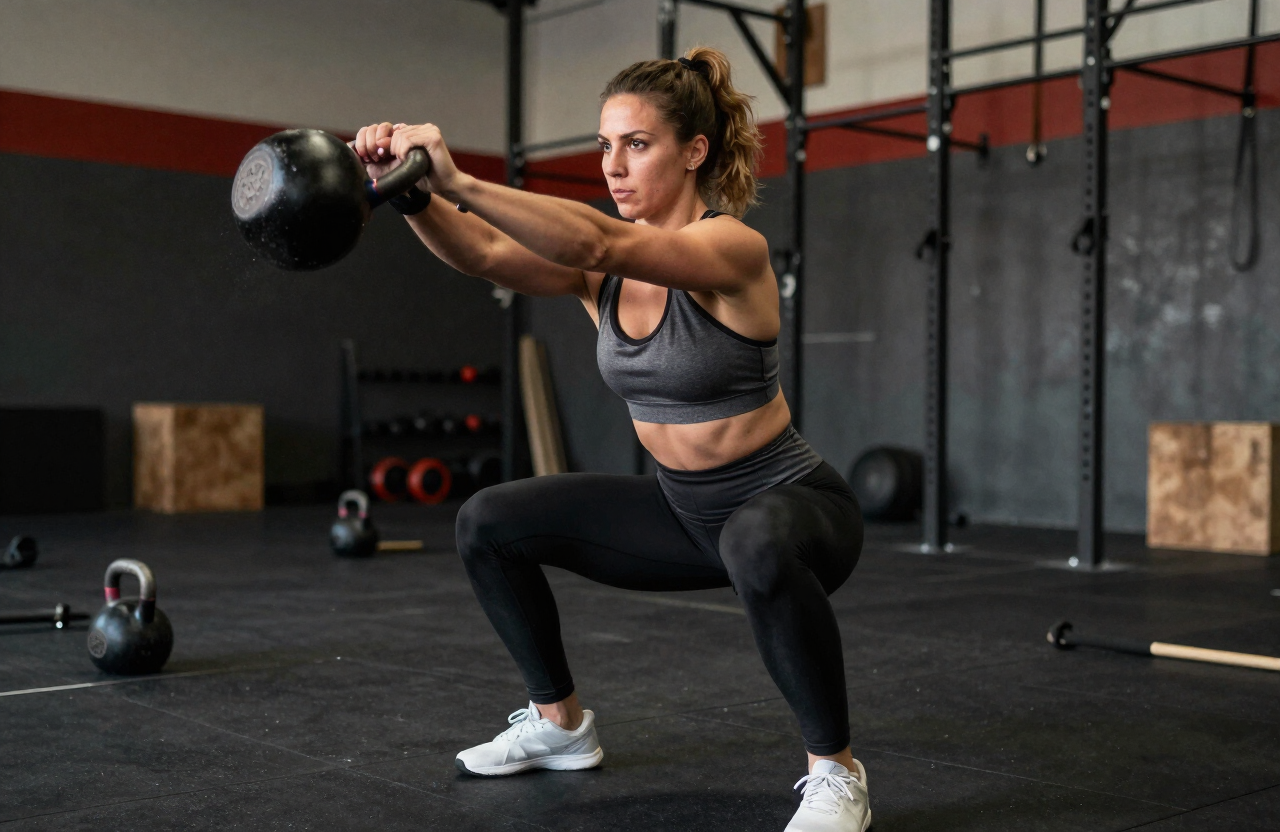
Building muscle at home is both achievable and effective, regardless of your fitness level. You don’t need a gym full of equipment to get stronger. With the right approach, you can build muscle effectively using bodyweight exercises, resistance bands, or even household items. This guide will help you understand how to build muscle at home and provide practical steps you can take today.
Understanding Muscle Growth
Muscle growth occurs when the muscle fibers sustain small tears during exercise, and your body repairs these tears by adding new muscle tissue. This process is known as muscle hypertrophy. To stimulate this growth, you’ll need to engage in strength training exercises that challenge your muscles. Progressive overload, which means gradually increasing the weight or resistance you use, is essential for continued gains.
The Benefits of Home Workouts
- Convenience: You can work out whenever it fits into your schedule.
- Cost-effective: No gym membership fees or travel costs.
- Privacy: Many people feel more comfortable exercising at home.
- Flexibility: You can tailor your workouts to your preferences and needs.
Essential Exercises For Muscle Building
You can build muscle at home with a variety of exercises that target different muscle groups. Here are some effective bodyweight exercises:
- Push-ups: Great for chest, shoulders, and triceps.
- Squats: Target your quads, hamstrings, and glutes.
- Lunges: Work on your legs and improve balance.
- Planks: Strengthen your core and improve stability.
- Glute Bridges: Focus on your glutes and lower back.
Incorporate resistance bands or household items such as water bottles or backpacks filled with books to add extra resistance.
Creating a Simple Home Workout Plan
To effectively build muscle at home, consider the following workout plan:
- Warm-up (5-10 minutes): Do some light cardio or dynamic stretches.
- Strength Training (20-30 minutes): Choose 4-5 exercises and perform 3 sets of 8-12 repetitions each, resting for 30-60 seconds between sets.
- Cool down (5-10 minutes): Stretch your muscles to aid recovery.
Practical Steps You Can Take Today
To get started, choose one or two exercises from the list above and perform them today. For instance, if you choose push-ups, do as many as you can with proper form, aiming for 3 sets. Remember to maintain a steady pace and focus on your breathing.
Nutrition For Muscle Building
Nutrition plays a crucial role in muscle growth. Consuming adequate protein helps repair and build muscle tissue. Aim for a balanced diet that includes:
- Lean proteins (like chicken, fish, beans, or lentils)
- Whole grains (like brown rice or quinoa)
- Healthy fats (like avocados or nuts)
- Plenty of fruits and vegetables for vitamins and minerals
A simple everyday food example is oatmeal topped with Greek yogurt and berries. This meal provides carbohydrates for energy, protein for muscle repair, and antioxidants from the berries.
Tracking Progress
Keep a log of your workouts and nutrition. This will help you see what’s working and where you might need to make adjustments. Consider using the F4Fit AI coach, which can turn your goals into a personalized workout plan tailored to your needs.
Frequently Asked Questions
How often should I work out to build muscle?
Aim for at least 2-3 strength training sessions per week, allowing time for recovery.
Can I build muscle without weights?
Yes, bodyweight exercises and resistance bands can be very effective for muscle building.
What should I eat after a workout?
Focus on a meal or snack that includes protein and carbohydrates within an hour after exercising for optimal recovery.