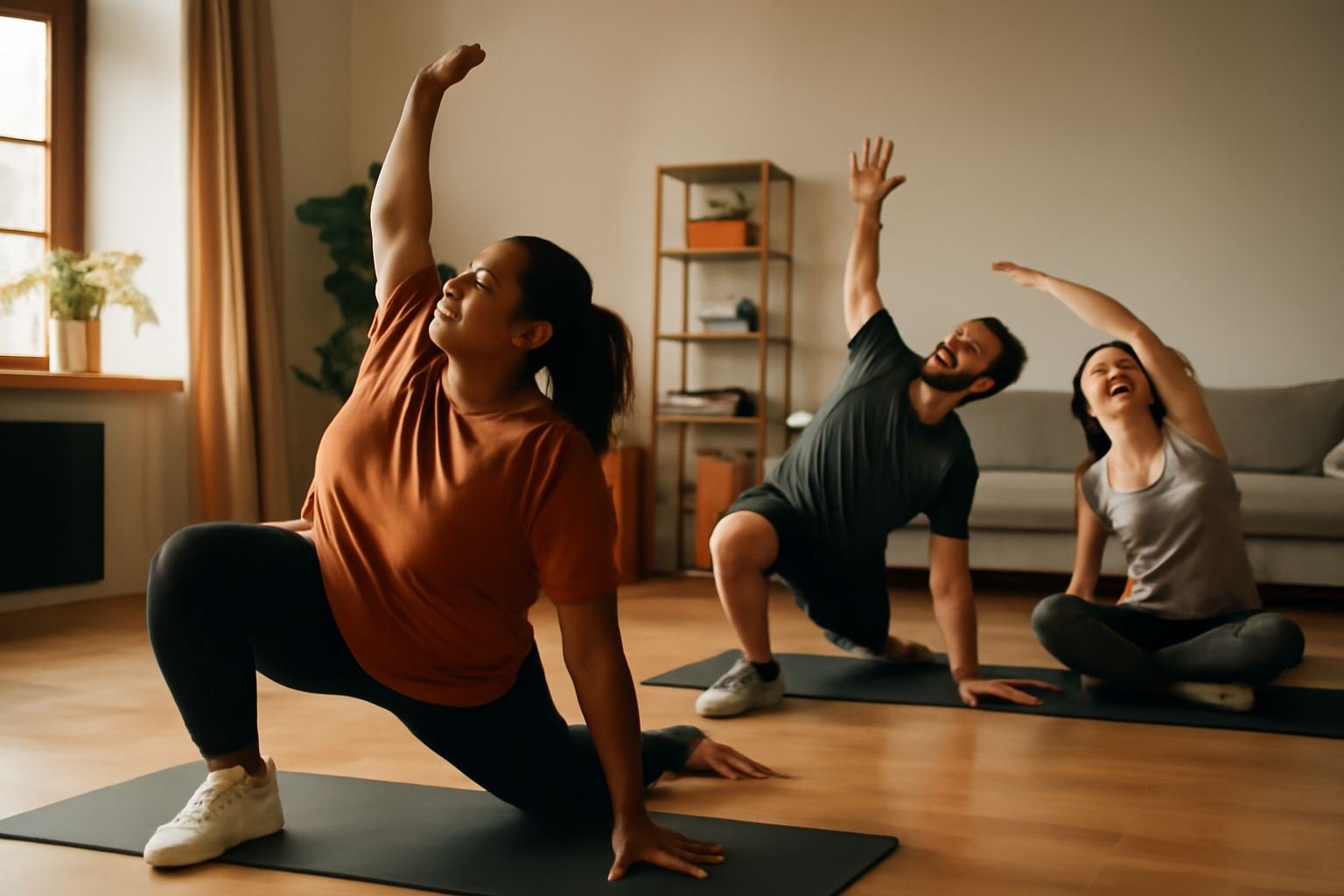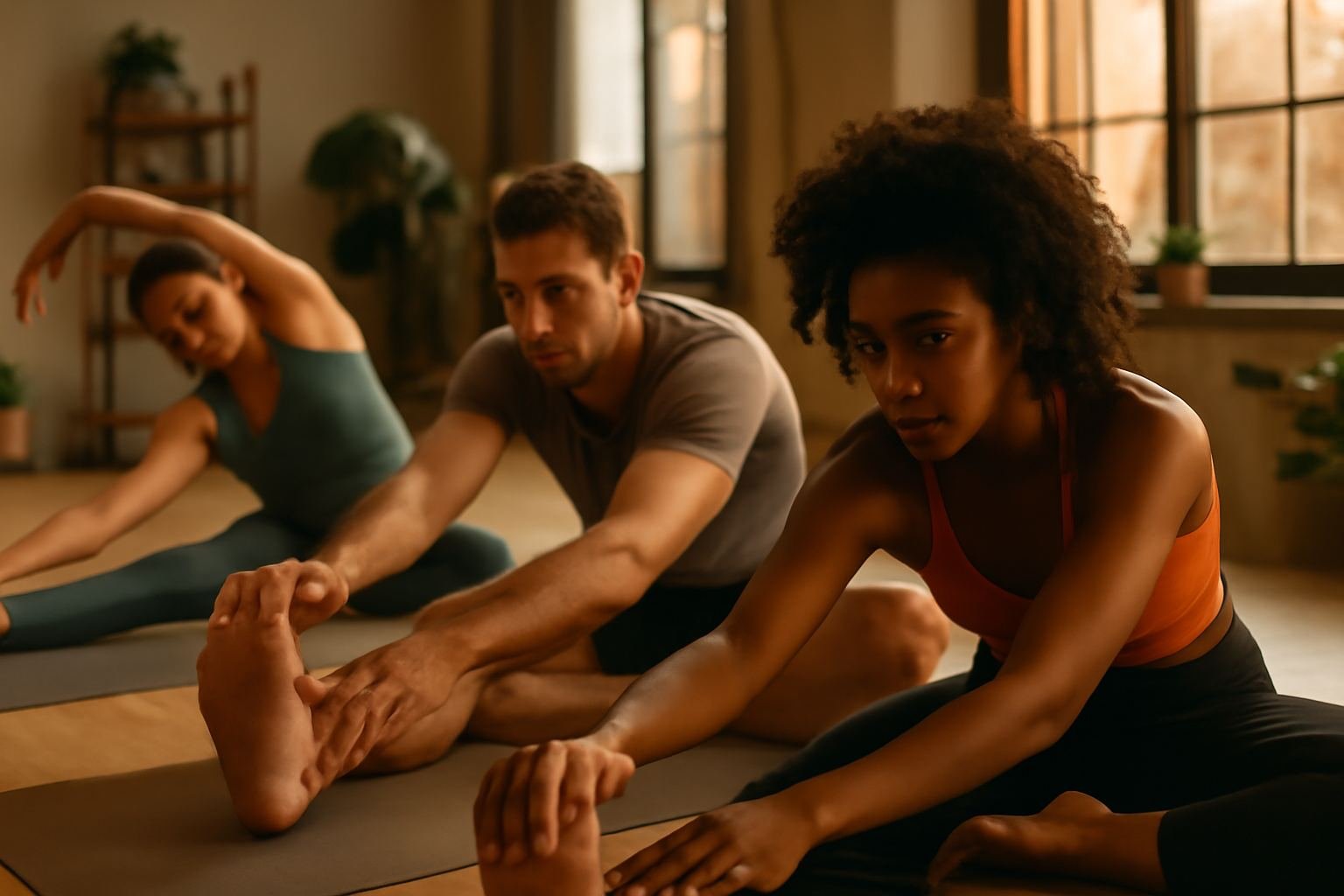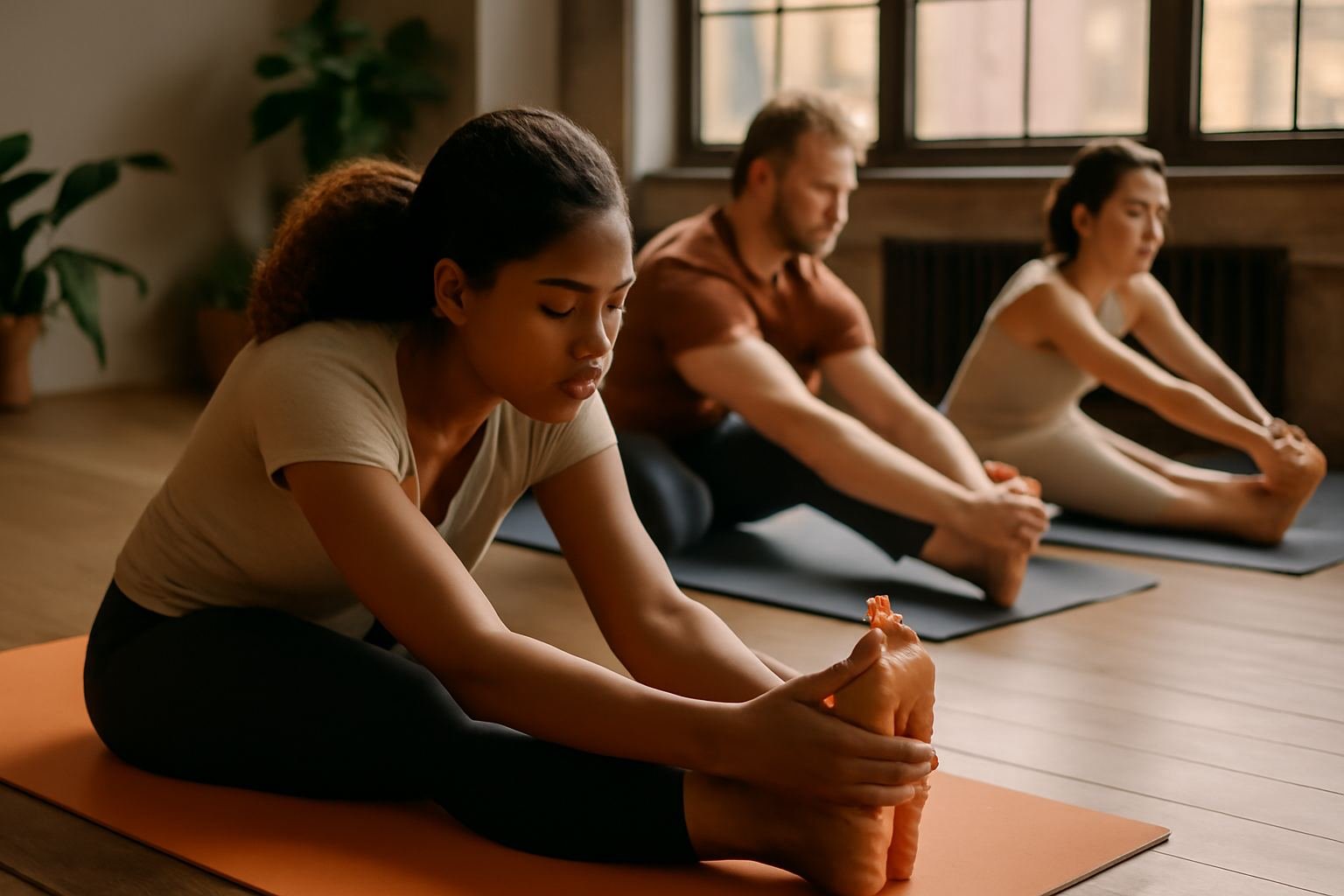
Yoga is a wonderful practice that can significantly improve flexibility, making it an ideal choice for beginners looking to enhance their range of motion. Whether you're new to yoga or just starting your flexibility journey, this guide will help you understand the basics of yoga for flexibility and provide practical steps you can take today.
Understanding Flexibility
Flexibility refers to the ability of your muscles and joints to move through their full range of motion. It plays a crucial role in overall fitness and can help prevent injuries, improve posture, and enhance performance in various physical activities. Yoga is one of the most effective ways to improve flexibility due to its combination of stretching, strength, and mindfulness.
Benefits of Yoga for Flexibility
- Increases range of motion in joints
- Reduces muscle stiffness
- Enhances athletic performance
- Promotes relaxation and stress relief
- Improves posture and alignment
Getting Started with Yoga
If you're a beginner, it's essential to approach your yoga practice with patience and an open mind. Here are a few tips to get you started:
- Choose a Comfortable Space: Find a quiet and comfortable place where you can practice without distractions.
- Invest in a Good Mat: A yoga mat provides cushioning and grip, making your practice more enjoyable and safer.
- Wear Comfortable Clothing: Choose clothing that allows for easy movement and doesn’t restrict your body.
- Start with Basic Poses: Focus on foundational poses that promote flexibility, such as:
- Downward Dog
- Cat-Cow Stretch
- Child's Pose
- Forward Bend
- Cobra Pose
- Listen to Your Body: Pay attention to how your body feels during each pose. It's important to avoid pushing yourself too hard to prevent injury.
Simple Everyday Food Example
Incorporating anti-inflammatory foods into your diet can support your flexibility journey. Foods rich in omega-3 fatty acids, antioxidants, and vitamins can help reduce muscle soreness and improve recovery. Consider adding these to your meals:
- Fatty fish (like salmon or sardines)
- Leafy greens (like spinach or kale)
- Nuts and seeds (like walnuts and chia seeds)
- Berries (like blueberries and strawberries)
Practical Yoga Routine for Beginners
To help you get started, here’s a simple yoga routine that you can do at home to improve your flexibility:
- Warm-Up (5 minutes): Start with gentle movements like neck rolls, shoulder shrugs, and wrist circles to warm up your body.
- Downward Dog (1 minute): From all fours, lift your hips up and back, forming an inverted V shape. Hold for a few breaths, feeling the stretch in your hamstrings and calves.
- Cat-Cow Stretch (1 minute): Move between arching your back (cat) and lifting your head and tailbone (cow) to loosen up your spine.
- Forward Bend (1 minute): Stand tall and hinge at your hips to fold forward, letting your arms hang. Bend your knees slightly if needed.
- Cobra Pose (1 minute): Lie on your stomach and press your palms into the ground to lift your chest, keeping your shoulders down.
- Child's Pose (2 minutes): Kneel and sit back on your heels, stretching your arms forward on the ground. Breathe deeply and relax.
- Cool Down (5 minutes): Finish with gentle stretches, focusing on areas that feel tight.
Remember, consistency is key. Aim to practice this routine a few times a week to see improvements in your flexibility over time. The F4Fit AI coach can help you turn this into a personalized plan tailored to your specific needs.
Frequently Asked Questions
What are the best yoga poses for beginners?
Start with Downward Dog, Cat-Cow Stretch, Forward Bend, Cobra Pose, and Child's Pose.
How often should I practice yoga to improve flexibility?
Aim for at least 2-3 times a week, gradually increasing the duration and intensity of your practice.
Can I do yoga if I’m not flexible?
Absolutely! Yoga is designed to improve flexibility, and everyone can benefit from its practice, regardless of their starting point.