In 2026, the concept of fitness continues to evolve, making strength home workouts without equipment more popular than ever.
Whether you’re at home, traveling, or simply prefer the convenience of bodyweight exercises, you can build strength effectively without any gym gear. This article will guide you through various exercises, techniques, and tips to maximize your strength training at home.
Why Choose Bodyweight Training?
Bodyweight exercises are versatile and can be modified to suit different fitness levels. They engage multiple muscle groups, improve functional strength, and enhance balance and coordination. Additionally, they can be performed anywhere, making them a practical option for anyone looking to stay fit.
Key Benefits of Strength Home Workouts Without Equipment
- Convenience: No need for a gym membership or special equipment.
- Cost-effective: Save money while still achieving your fitness goals.
- Flexibility: Fit workouts into your schedule without time constraints.
- Functional Strength: Mimics real-life movements, promoting overall fitness.
- Progress Tracking: Monitor your improvements through increased reps or variations.
Effective Bodyweight Exercises for Strength
Here are some powerful bodyweight exercises to include in your home workout routine:
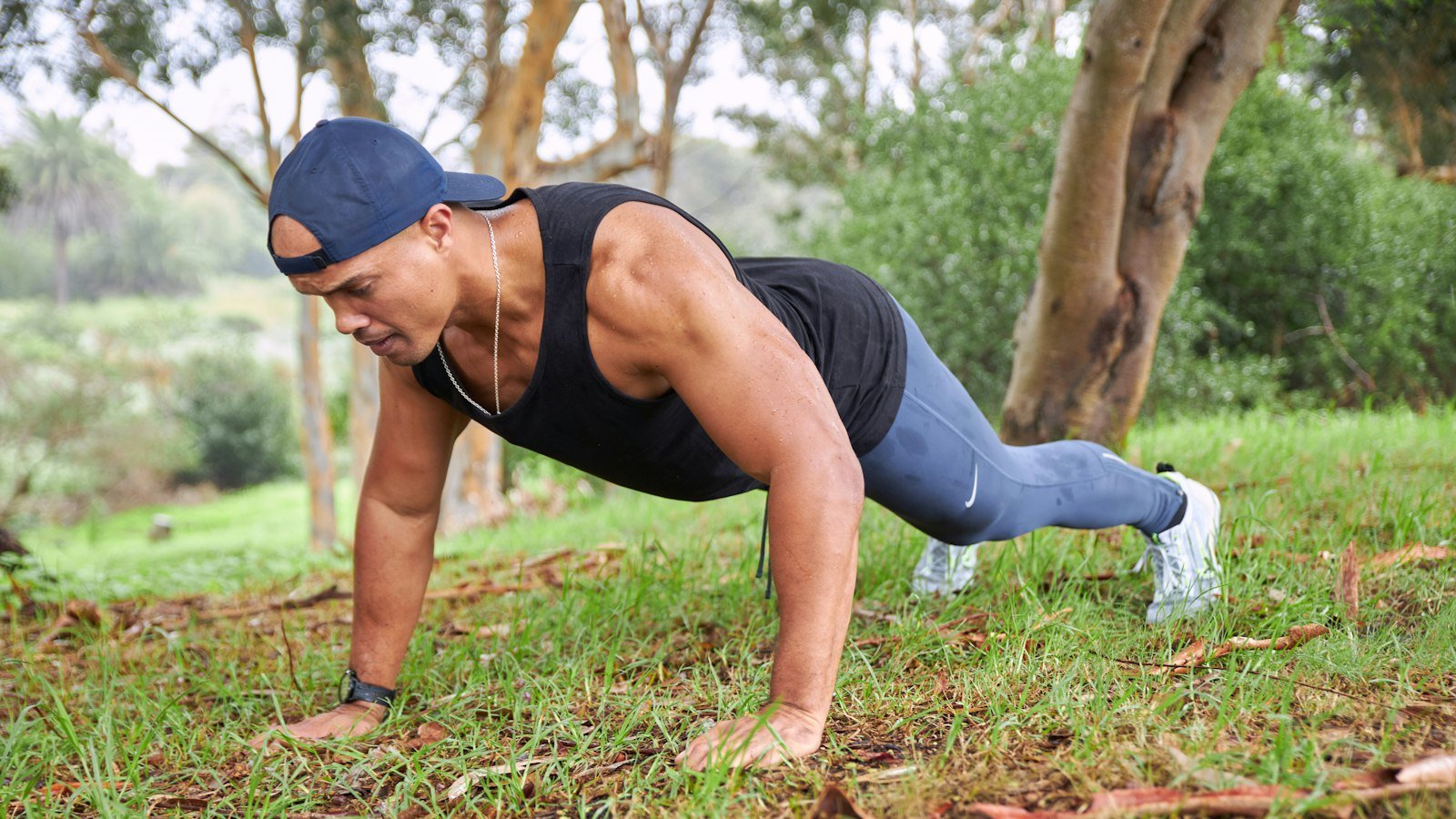
- Push-Ups: A classic exercise that targets the chest, shoulders, and triceps.
- Squats: Strengthens the legs and glutes while improving core stability.
- Lunges: Engages the lower body and enhances balance.
- Plank: A great core stabilizer that also works on the shoulders and back.
- Burpees: A full-body exercise that boosts cardiovascular fitness and strength.
Creating Your Strength Workout Routine
To create an effective workout routine, consider the following steps:
- Warm-Up: Start with a 5-10 minute warm-up to prepare your muscles. This could include dynamic stretches or light cardio.
- Choose Your Exercises: Select 4-6 exercises from the list above, focusing on different muscle groups. Aim for a balanced routine that targets upper body, lower body, and core.
- Set Repetitions and Sets: Perform each exercise for 8-15 repetitions, depending on your fitness level. Start with 2-3 sets and gradually increase as you gain strength.
- Rest and Recovery: Allow for 30-60 seconds of rest between sets to recover.
- Cool Down: Finish with static stretches to improve flexibility and reduce muscle soreness.
Sample Strength Workout Without Equipment
Here’s a simple workout you can do today:
- Warm-Up: 5 minutes of jumping jacks or high knees.
- Push-Ups: 3 sets of 10-15 reps.
- Bodyweight Squats: 3 sets of 15-20 reps.
- Plank: 3 sets of 30 seconds to 1 minute.
- Lunges: 3 sets of 10-12 reps per leg.
- Burpees: 3 sets of 8-10 reps.
- Cool Down: 5 minutes of stretching.
Everyday Nutrition for Strength Training
To complement your strength training, focus on a balanced diet that supports muscle growth and recovery. For example, consider a simple meal of grilled chicken, quinoa, and steamed vegetables. This meal provides a good source of protein, complex carbohydrates, and essential vitamins and minerals.
Practical Tips for Success
- Stay Consistent: Aim for at least 3-4 workouts per week to see progress.
- Listen to Your Body: Rest when needed and avoid pushing through pain.
- Track Your Progress: Keep a journal of your workouts to monitor improvements.
- Stay Hydrated: Drink plenty of water before, during, and after workouts.
The F4Fit AI coach can help you create a personalized plan tailored to your goals, ensuring you get the most out of your home workouts.
Frequently Asked Questions
What if I can’t do a push-up?
You can start with knee push-ups or wall push-ups to build strength gradually.
How often should I do strength workouts at home?
Aim for 3-4 times a week, allowing for rest days in between.
Can I lose weight with bodyweight exercises?
Yes, bodyweight exercises can help you lose weight when combined with a balanced diet and proper nutrition.